

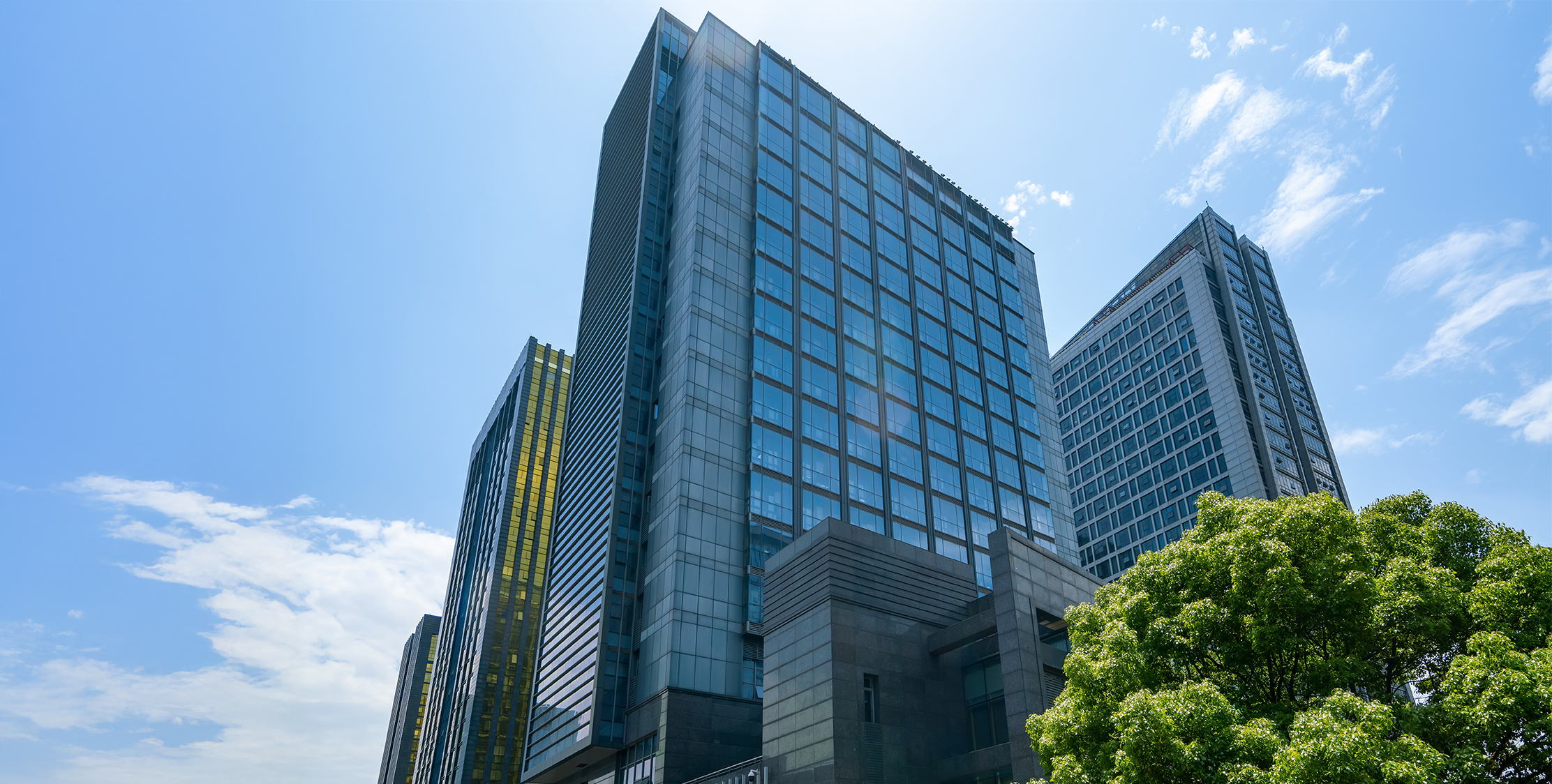
The world of work is changing faster than ever. With technological advancements, evolving employee expectations, and shifting business models, the offices of today may look outdated within a decade. Modern companies are no longer just looking for spaces to work—they need future-ready workspaces that adapt, grow, and support innovation.
CMA understands that creating commercial spaces for the next decade requires foresight, planning, and a deep understanding of business needs. This blog explores the key features, trends, and strategies that make a workspace future-ready and why businesses must consider them when selecting or investing in office spaces.
1. Flexible Layouts for Dynamic Teams
One of the most important trends in future-ready workspaces is flexibility. Businesses are increasingly embracing remote work, hybrid models, and dynamic team structures. Office spaces need to adapt to these changes.
- Modular workstations: Movable desks and partitions allow teams to expand or contract as needed.
- Multi-purpose spaces: Meeting rooms that can double as collaboration zones or event spaces.
- Open-plan designs: Encourages collaboration but can be reconfigured into private zones when required.
Flexible layouts help businesses adjust without incurring costly renovations, making the workspace more resilient to change.
2. Technology-Integrated Spaces
The offices of the future are smart offices. Technology integration is no longer optional—it’s essential.
- High-speed internet and Wi-Fi: Reliable connectivity for remote collaboration and cloud-based work.
- Smart meeting rooms: Equipped with video conferencing tools, digital whiteboards, and presentation systems.
- IoT-enabled infrastructure: Sensors for lighting, HVAC, and energy efficiency.
- Security systems: Smart access controls, biometric entry, and surveillance networks.
By embedding technology into the core of the workspace, businesses can operate efficiently and stay ahead of competitors.
3. Employee-Centric Design
Future-ready workspaces prioritize employee well-being and satisfaction. Companies understand that happier employees are more productive, creative, and loyal.
Key considerations include:
- Natural light and ventilation: Improves mood and reduces fatigue.
- Ergonomic furniture: Supports physical health and reduces discomfort.
- Breakout zones: Encourages relaxation, informal meetings, and creative thinking.
- Wellness areas: Gyms, meditation zones, and green spaces improve mental and physical well-being.
CMA integrates these elements into their commercial developments to create spaces that employees enjoy coming to, not just tolerating.
4. Sustainability and Eco-Friendly Design
Environmental responsibility is a defining feature of future-ready offices. Companies are now evaluated not only on profits but also on their sustainability practices.
- Energy-efficient lighting and HVAC systems reduce operational costs.
- Water-saving installations minimize waste and utility bills.
- Green spaces improve air quality and provide restorative environments.
- Recycling and waste management systems promote sustainability.
Sustainable design also boosts brand reputation, attracting environmentally conscious clients and employees.
5. Collaborative and Social Spaces
Future workplaces are less about individual desks and more about collaboration hubs. Spaces designed for teamwork, brainstorming, and networking are critical for innovation.
- Huddle rooms and team zones for project discussions.
- Open lounges and cafes to encourage informal interaction.
- Event spaces for networking, workshops, and client meetings.
By fostering collaboration, companies can unlock creativity and strengthen workplace culture.
6. Resilience and Adaptability
The past few years have shown how quickly work environments can change. Future-ready offices are designed for resilience:
- Hybrid work adaptability: Space that accommodates both in-office and remote work.
- Scalable infrastructure: Rooms and floors that can expand or reconfigure as teams grow.
- Emergency preparedness: Fire exits, safety zones, and backup systems.
This adaptability ensures that companies can continue operations smoothly, even during unforeseen circumstances.
7. Integration with Community and Services
Modern businesses thrive in environments that are connected to community and services. Future-ready workspaces are not isolated—they are part of a broader ecosystem.
- Nearby retail, dining, and leisure options for convenience and employee satisfaction.
- Transport hubs for easy access and commuting.
- Networking opportunities with other businesses within the development.
CMA ensures their commercial projects are integrated into high-value areas that support business growth, employee convenience, and client access.
8. Emphasis on Branding and Identity
Offices of the future are also tools for branding and business identity. A well-designed workspace communicates professionalism, innovation, and culture to employees and clients alike.
- Design consistency: Cohesive architectural themes and interior styling reflect the company’s identity.
- Visibility of brand elements: Signage, lobby design, and digital displays reinforce corporate image.
- Professional environments: Meeting rooms, reception areas, and lounges are designed to impress clients.
CMA’s commercial spaces are created with this principle in mind, helping businesses establish a strong, credible presence from day one.
9. Smart Energy Management
Efficiency in energy usage is a defining feature of next-generation offices. Future-ready workspaces leverage smart energy management systems:
- LED and motion-sensor lighting reduces electricity consumption.
- HVAC automation maintains comfort while saving energy.
- Renewable energy integration such as solar panels for sustainable power.
Energy efficiency reduces operational costs and supports environmental goals, a must-have for businesses planning long-term growth.
10. Health and Safety Standards
In a post-pandemic world, health and safety are paramount. Future-ready workspaces prioritize:
- Contactless access systems for reduced touchpoints.
- Air purification systems for improved indoor air quality.
- Sanitation zones throughout the facility.
- Crowd management in common areas to maintain safety.
These measures not only protect employees but also reassure clients that the business operates responsibly.
11. Data-Driven Workspace Design
Technology allows businesses to analyze how their workspace is being used. Future-ready offices utilize data to optimize space and operations:
- Occupancy sensors show which areas are used most.
- Energy monitoring identifies cost-saving opportunities.
- Space planning analytics helps allocate resources efficiently.
Data-driven design ensures the office evolves with business needs and supports operational efficiency.
12. CMA’s Approach to Future-Ready Workspaces
CMA’s commercial projects exemplify future-ready principles:
- Flexible layouts that adapt to modern business models.
- Tech-integrated infrastructure for seamless operations.
- Employee-centric design to boost productivity and satisfaction.
- Sustainability-focused construction for long-term value.
- Strategic locations that support visibility, accessibility, and networking.
By planning ahead, CMA ensures their developments remain relevant and valuable for businesses in the next decade and beyond.
13. Case Example: CMA Business Gate
Business Gate demonstrates CMA’s commitment to future-ready workspaces:
- Flexible office units that can be reconfigured as companies grow.
- Smart infrastructure, including internet, power backup, and security systems.
- Green areas and recreational zones for employee wellness.
- Premium amenities such as meeting rooms, lounges, and cafes integrated into the development.
This project shows how forward-thinking planning can create a workspace that supports modern business needs today and anticipates future trends.
14. Conclusion
The office of the future is not just a place to work—it’s a strategic asset. Future-ready workspaces provide flexibility, technological integration, employee-focused design, sustainability, and resilience. They support growth, innovation, and long-term business success.
Companies that choose spaces without these features risk becoming outdated or facing higher operational costs. On the other hand, businesses that invest in future-ready workspaces position themselves for productivity, efficiency, and growth in the next 10 years.
CMA’s commercial developments embody these principles, creating environments that meet today’s business demands while anticipating tomorrow’s needs. By combining design excellence, technology, strategic location, and amenities, CMA ensures that businesses thrive in spaces designed for the future.